Calculate usable time from the reopening deadline
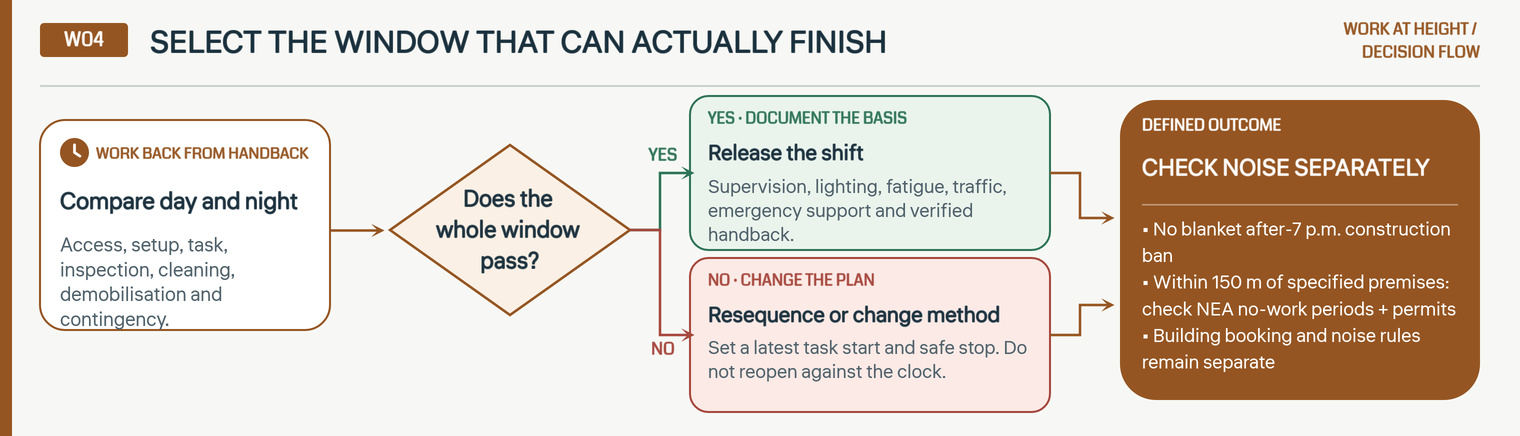
Start with the required handback time and work backwards through cleaning, inspection, equipment removal, demobilisation and contingency. Then allocate access handover, delivery, setup, pre-use checks and briefing. Set a latest point for starting the final task and a defined safe stopping condition if the programme slips.
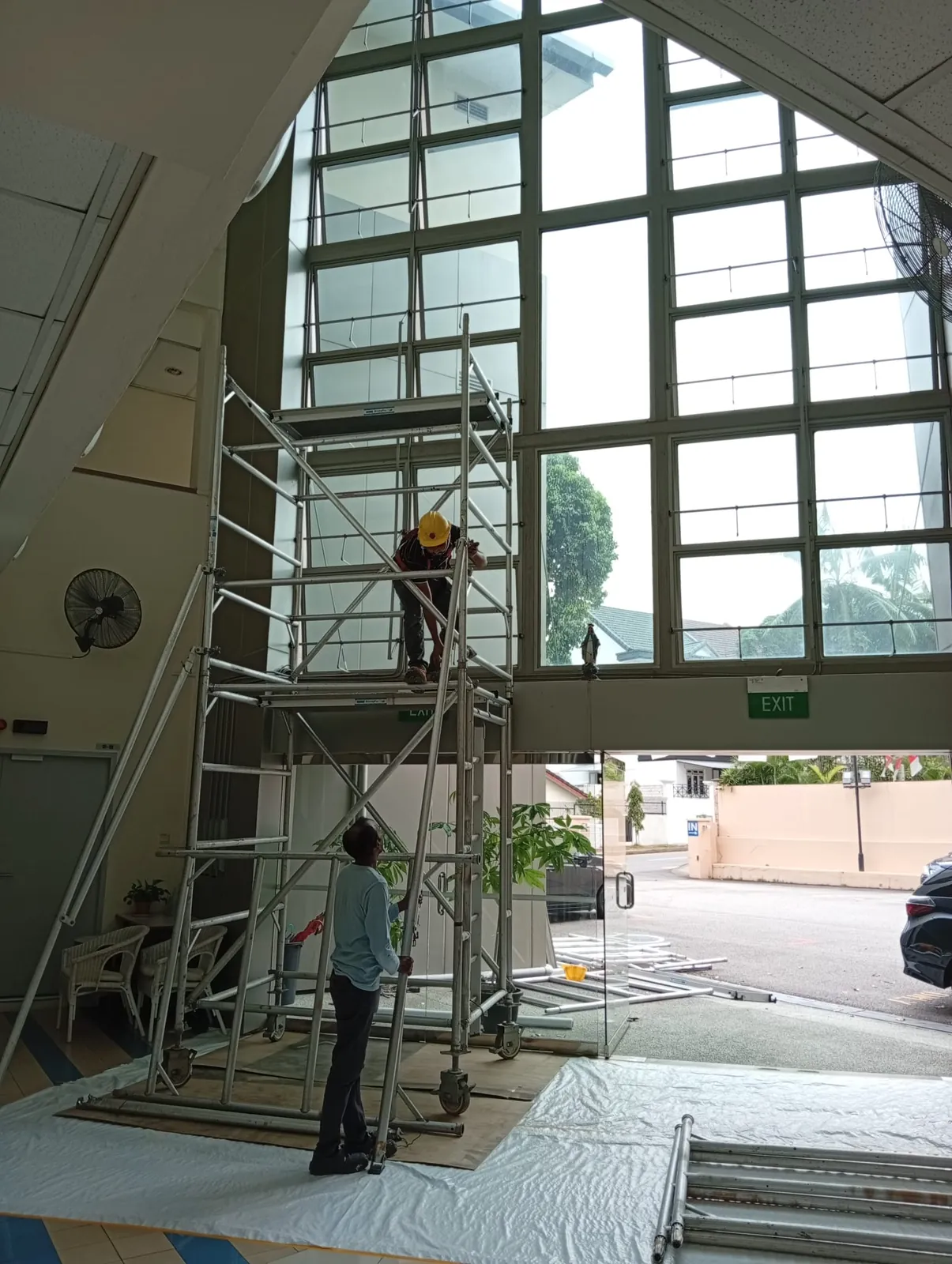
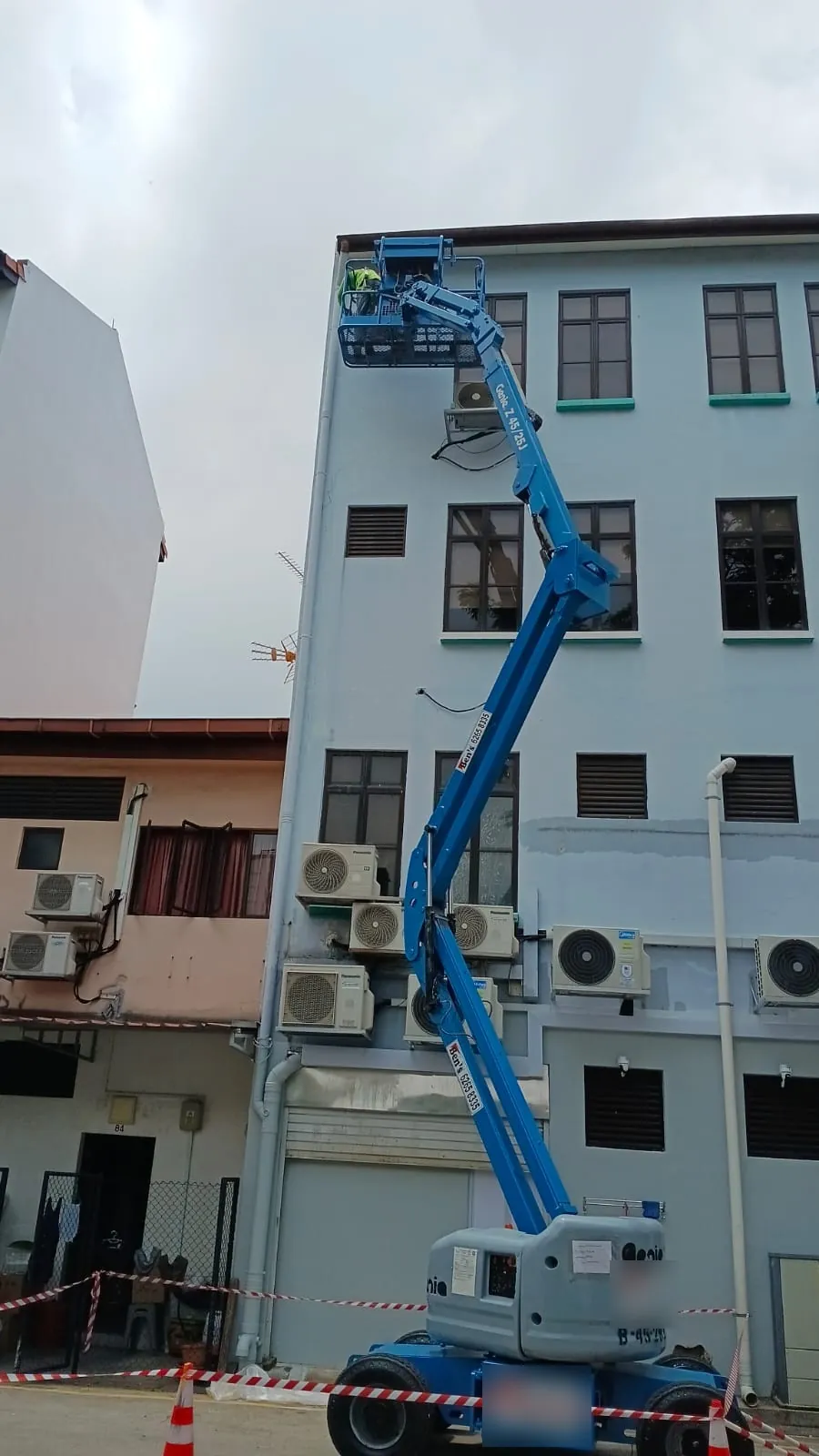
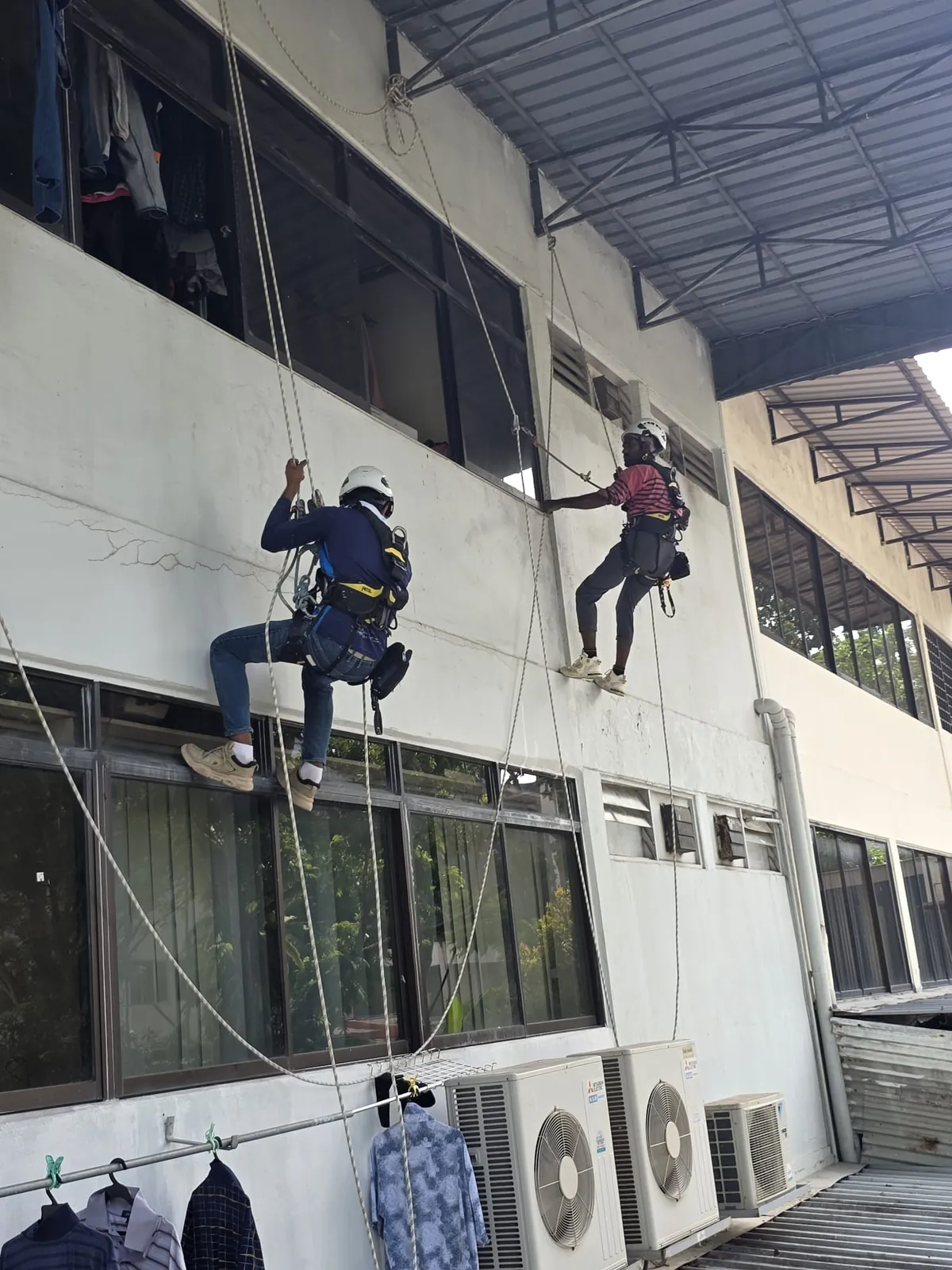
Compare the same task in both windows. Day work may offer better visibility and support but conflict with visitors, production or deliveries. Night work may reduce those interfaces while adding lighting, fatigue, security, communications and emergency-response constraints. The correct answer is site-specific.
Check construction noise without inventing a 7 p.m. ban
The Control of Noise at Construction Sites Regulations cover defined building and road activities, including erection, construction, alteration, repair and maintenance, and related loading or unloading in the defined context. There is no general rule in that regime prohibiting all construction work after 7 p.m. NEA explains that Monday-to-Saturday work after 7 p.m. must meet noise limits that become progressively more stringent after 7 p.m. and 10 p.m. [1] [2]
For sites within 150 metres of residential buildings and specified noise-sensitive premises, NEA publishes no-work periods from 10 p.m. Saturday to 7 a.m. Monday and from 10 p.m. on the eve of a public holiday to 7 a.m. after the public holiday. NEA may grant permits for qualifying quieter work, and gives conditional exemptions for public-interest or safety-critical work. Confirm the site category, current limits and any permit route rather than relying on this summary alone. [3]
Building-specific booking and noise restrictions remain separate from statutory limits. Include equipment delivery, loading, impact work and waste removal in the assessment—not just the quietest repair activity.
Make the final choice a documented operational decision
Record why the selected window works: available alternate entrance or production zone, competent supervision, trained and authorised operators, adequate lighting, public or traffic control, security, emergency support, noise basis and verified handback. State the conditions that would trigger reassessment. Apply the workplace risk-management and work-at-height duties to the whole shift, including setup and recovery. [4] [5]
Related: see our facade and high-level works.
Read next: Working Above an Open Mall Entrance.
Read next: How to Schedule High-Level Works in an Operating Warehouse.
Practical checklist
- Build the programme backwards from verified reopening.
- Assess delivery and removal noise as well as the repair task.
- Confirm night supervision, lighting, communications and emergency support.
- Keep regulatory noise limits and building-house rules in separate checklist fields.
References
- Environmental Protection and Management (Control of Noise at Construction Sites) Regulations (Singapore). Singapore Statutes Online.
- National Environment Agency. (n.d.). Construction noise control.
- National Environment Agency. (n.d.). No-work rule on Sundays and public holidays.
- Workplace Safety and Health (Risk Management) Regulations (Singapore), regs. 3–5 and 7. Singapore Statutes Online.
- Workplace Safety and Health (Work at Heights) Regulations 2013 (Singapore), regs. 4–7. Singapore Statutes Online.